Managing Diabetes and Thyroid disorders has become increasingly important in today’s fast‑paced lifestyle. Both conditions are extremely common in India and often go unnoticed until they begin affecting daily life. Understanding these conditions, recognizing early symptoms, and seeking timely medical care are the key steps toward maintaining long-term health. This blog aims to simplify everything you need to know about Diabetes and Thyroid management so patients can make informed decisions without feeling overwhelmed.
Understanding Diabetes
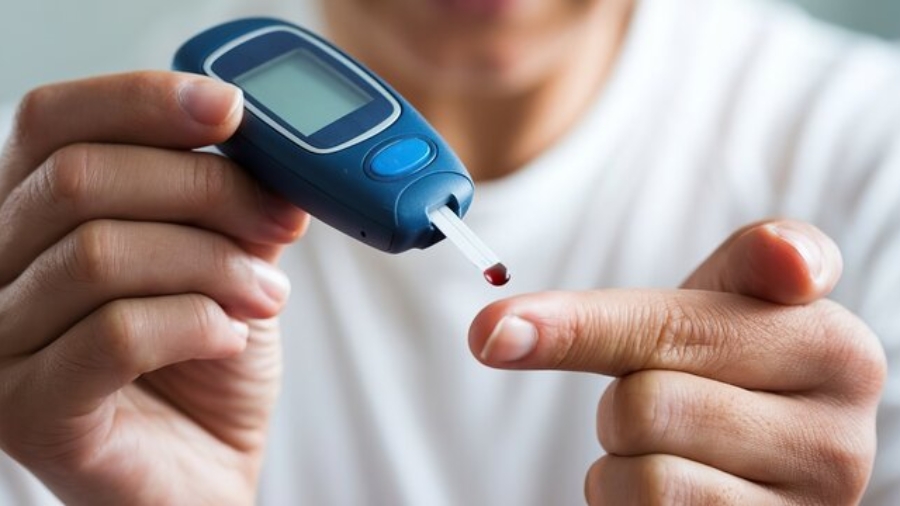
Diabetes is a condition where the body is unable to regulate blood sugar levels effectively. This happens either when the pancreas does not produce enough insulin or when the body cannot use insulin properly.
Types of Diabetes
- Type 1 Diabetes: The body stops producing insulin; usually diagnosed in children or young adults.
- Type 2 Diabetes: The most common type where the body resists insulin or doesn’t produce enough.
- Gestational Diabetes: Occurs during pregnancy.
Common Symptoms of Diabetes
- Frequent urination
- Unusual thirst
- Sudden weight loss or gain
- Fatigue
- Slow healing wounds
- Blurred vision
Why Diabetes Needs Proper Management
If not controlled, diabetes can lead to complications like nerve damage, kidney disease, heart disease, vision loss, and foot ulcers. Early and continuous management is important to prevent long-term damage.
Understanding Thyroid Disorders
Thyroid problems occur when the thyroid gland produces too much or too little hormone. The most common disorders are Hypothyroidism and Hyperthyroidism.
Symptoms of Hypothyroidism (Low Thyroid)
- Weight gain
- Tiredness
- Hair fall
- Dry skin
- Feeling cold often
- Constipation
Symptoms of Hyperthyroidism (High Thyroid)
- Weight loss
- Fast heartbeat
- Anxiety or irritability
- Sweating
- Hand tremors
How Diabetes & Thyroid Are Connected
Many patients don’t know that diabetes and thyroid often occur together. Thyroid imbalance slows metabolism, which makes blood sugar control harder. Similarly, uncontrolled diabetes can worsen thyroid function. That’s why combined management is essential.
Treatment & Long-Term Management
A doctor typically creates a personalized plan based on your blood sugar levels, thyroid hormone reports, lifestyle, and medical history. Management usually includes:
- Regular blood tests (FBS, PPBS, HbA1c, TSH, T3, T4)
- Medication for controlling thyroid hormones or blood sugar
- Balanced diet plan
- Weight and stress management
- Regular follow-up visits for monitoring
Lifestyle Tips for Better Control
- Eat small, frequent, balanced meals
- Avoid sugary and fried foods
- Include fiber-rich foods and vegetables
- Walk for at least 30 minutes daily
- Manage stress with meditation or breathing exercises
- Sleep 7–8 hours daily
When to See a Doctor
If you experience symptoms like hair fall, weight changes, excessive thirst, or fatigue, it’s important to get evaluated. Early treatment makes the condition much easier to manage.
Staying aware and consistent with follow-up care ensures a healthier, more stable life.